
 By
By 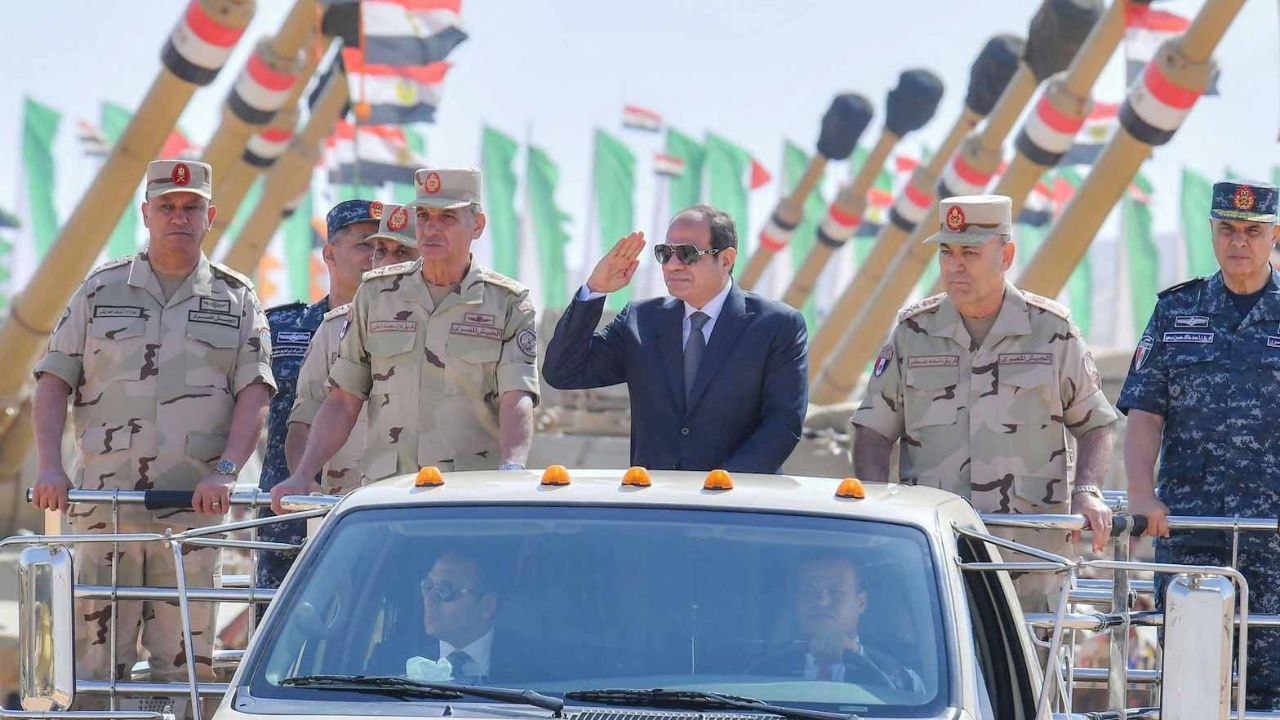
In recent days, Egyptian news outlets have devoted extensive coverage to Cairo’s growing involvement in Somalia, with some headlines suggesting the beginning of a new era of Egyptian military presence in the Horn of Africa. Publications such as El-Manshar reported that Somali officials formally welcomed Egyptian forces under the African Union peace mission framework. The same outlet claimed that Egyptian helicopters had already landed in the Gedo region, calling it the “first steps” toward a more established presence.
At the same time, international outlets have added layers of context. The National, based in the United Arab Emirates, described Egypt’s role as an attempt to expand its mission in Somalia ahead of Ethiopia’s scheduled troop withdrawal by December 2025. The article noted that Egypt intends to send trainers, advisers, and counterterrorism units to assist the Somali National Army against al-Shabab. Reuters went further, reporting in late August 2024 that Cairo had already supplied weapons to Mogadishu under a newly signed security pact.
Officially, Egyptian commentators are careful to reject the notion of a permanent base. Egypt Independent quoted retired General Samir Farag, who reassured readers that Cairo has no intention of creating a military base on Somali soil. Yet the images of Egyptian helicopters landing in Gedo and the reports of arms transfers have fueled speculation that something larger is taking shape.
A Dangerous Rivalry Exported
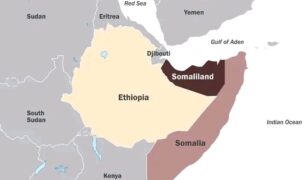
At its core, Egypt’s moves in Somalia are not only about fighting terrorism. They are also a direct response to Ethiopia’s growing partnership with Somaliland and Addis Ababa’s wider ambitions in the Horn. Cairo sees Ethiopia’s outreach—especially after its controversial port access deal with Hargeisa—as a threat not only to regional balance but also to Egypt’s most vital lifeline: the Nile.
Thus, what the world is witnessing is the export of the long-simmering Egypt–Ethiopia rivalry into Somali territory. This rivalry, already heated by disputes over the Grand Ethiopian Renaissance Dam (GERD), risks turning Somalia into the next arena of geopolitical competition.
For Somaliland and the wider Somali territories, this is profoundly worrying. Somalia has suffered for decades from external interference—whether from regional neighbors, Gulf powers, or great power rivalries. To add Egypt and Ethiopia’s contest to this volatile mix risks destabilizing the country further and undoing fragile progress made in recent years.
The Risks at Stake
If Somalia becomes a chessboard for Egypt and Ethiopia, the dangers are many:
- Escalating Confrontation: Addis Ababa will not stand idle as Egyptian troops take root in its backyard. Already facing unrest and economic strain, Ethiopia could see this as provocation, prompting counter-deployments or deeper ties with Somaliland.
- Fueling Division Inside Somalia: Alignments with Cairo or Addis risk fragmenting Somali politics even further. Clan militias or federal states might be tempted to side with one camp, undermining fragile unity.
- Overstretch for Egypt: With its own economic crisis, Egypt may find sustaining an overseas mission costly and unpopular at home. What is portrayed as a quick stabilization effort could become a long and expensive entanglement.
- Terrorist Propaganda: Al-Shabab thrives on foreign presence narratives. A visible Egyptian footprint gives the group a new propaganda tool to attract recruits and justify attacks.
- Regional Blowback: The Horn of Africa is already a crowded arena—Turkey, the UAE, Qatar, Saudi Arabia, the U.S., and China all have interests. Egypt’s entry may complicate the balance and spark competition it cannot easily control.
Why It’s the Wrong Idea
Somalia’s path to stability lies in sovereignty, institution-building, and regional cooperation—not in becoming a proxy battlefield for two powerful rivals. Egypt’s security anxieties over the Nile are understandable, and Ethiopia’s ambitions for sea access are real. But pursuing these struggles inside Somalia is short-sighted and reckless.
For Somaliland, the danger is even sharper. Addis Ababa’s outreach to Hargeisa is already contentious, and Egypt’s countermoves risk internationalizing what should be a bilateral or regional dialogue. Instead of bringing stability, this rivalry could spark new tensions, threaten trade corridors, and complicate Somaliland’s search for recognition and constructive partnerships.
The Path Forward
Egypt and Ethiopia must recognize that their disputes, however deep, cannot be resolved through military competition in fragile states. Diplomacy over the Nile, confidence-building measures, and regional dialogue are the only sustainable paths. Somalia, meanwhile, must assert its sovereignty by resisting external pressures that turn it into a proxy battlefield.
The Horn of Africa cannot afford another cycle of great-power rivalry played out on its soil. For Cairo, for Addis, and for Mogadishu, the lesson of history is clear: foreign interventions rarely deliver stability. Instead, they deepen divisions, empower extremists, and leave lasting scars.
If Egypt truly seeks to help Somalia, it should focus on training, development, and institution-building—not on planting the seeds of a new military rivalry. And if Ethiopia wants lasting security, it must engage its neighbors diplomatically rather than militarily.
Somalia deserves better than to become the next battleground in the Nile dispute. The people of the Horn deserve peace, not proxy wars.